PentaFood – Home

Resin-based systems for the food industry

Pentafood designs and supplies engineered resin skids for the food and wine industry, using ion exchange and adsorption technologies to selectively remove unwanted substances or recover valuable compounds in a controlled and efficient way.

Our systems are developed to deliver repeatable, traceable, and consistent results, helping producers improve product quality, optimize process performance, and maintain high standards of reliability. Each skid can be customized according to the specific application, process flow, and treatment objective, ensuring a practical and effective solution for different food and beverage production needs.

Skid-mounted solutions with PLC automation, recipes and data logging for stable operating cycles.

What we build

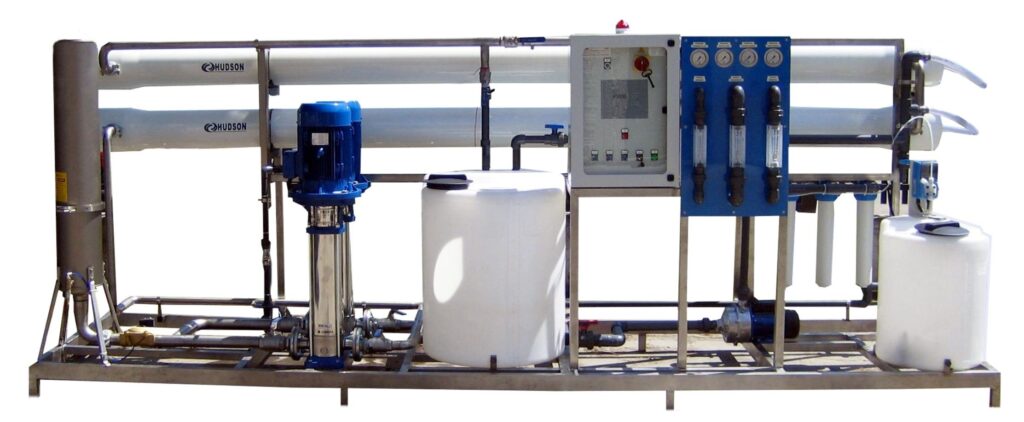
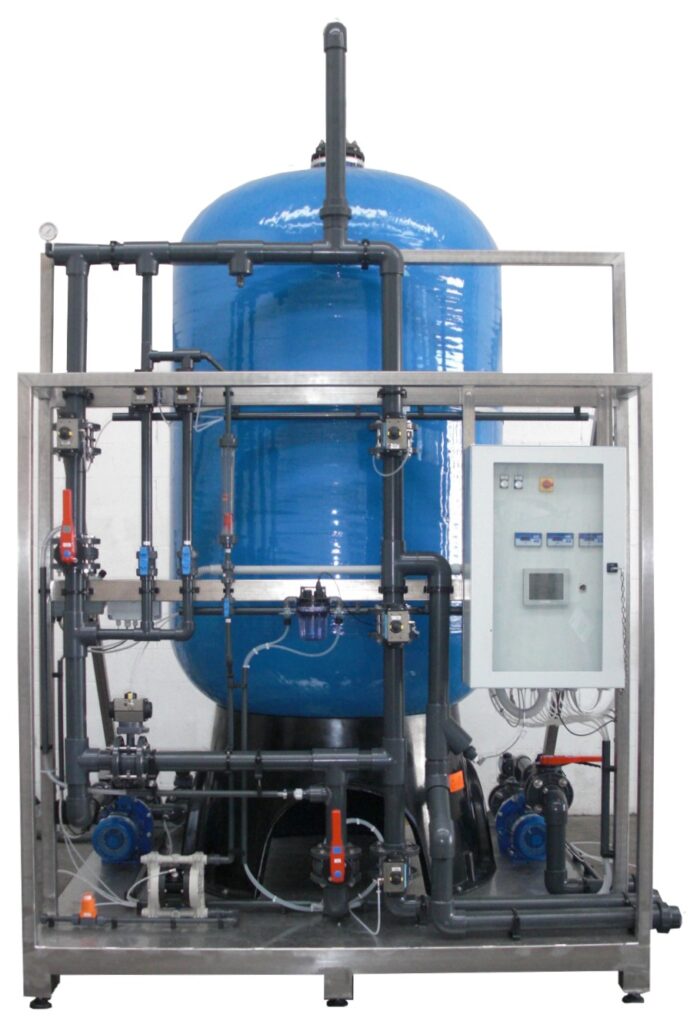
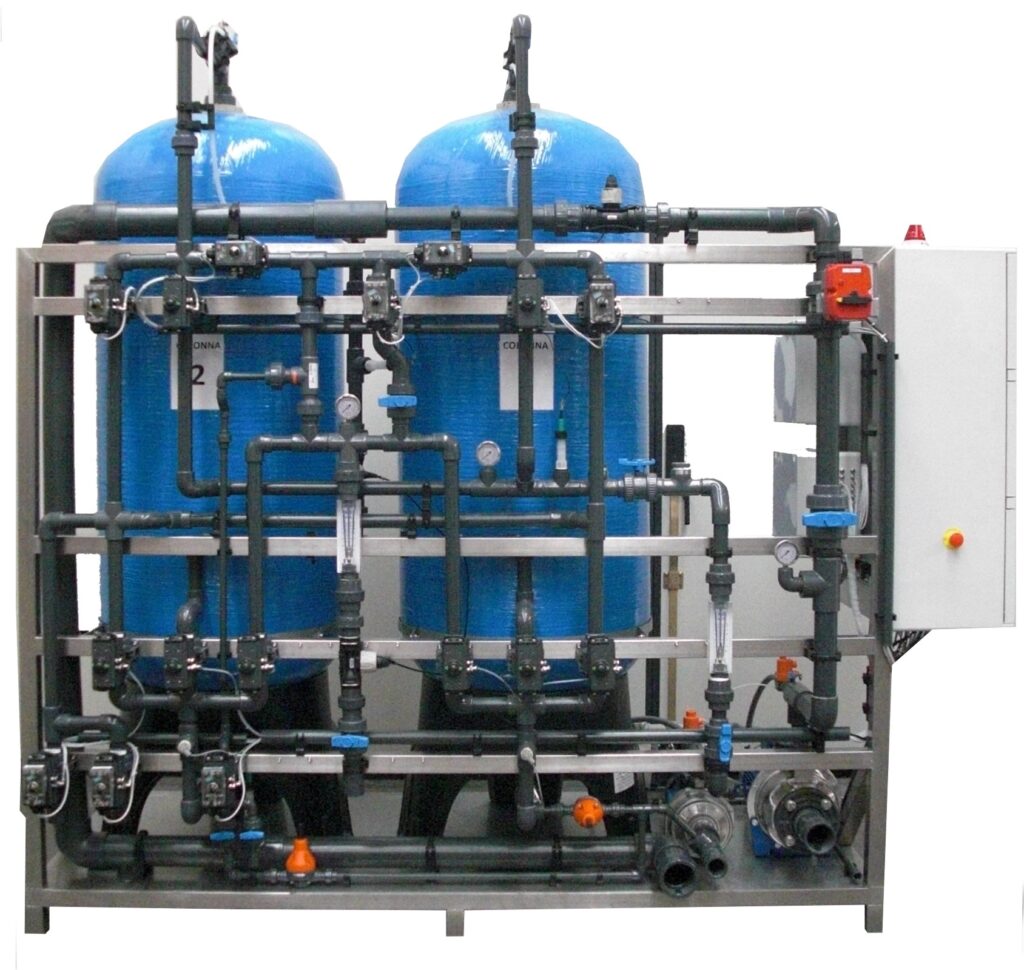
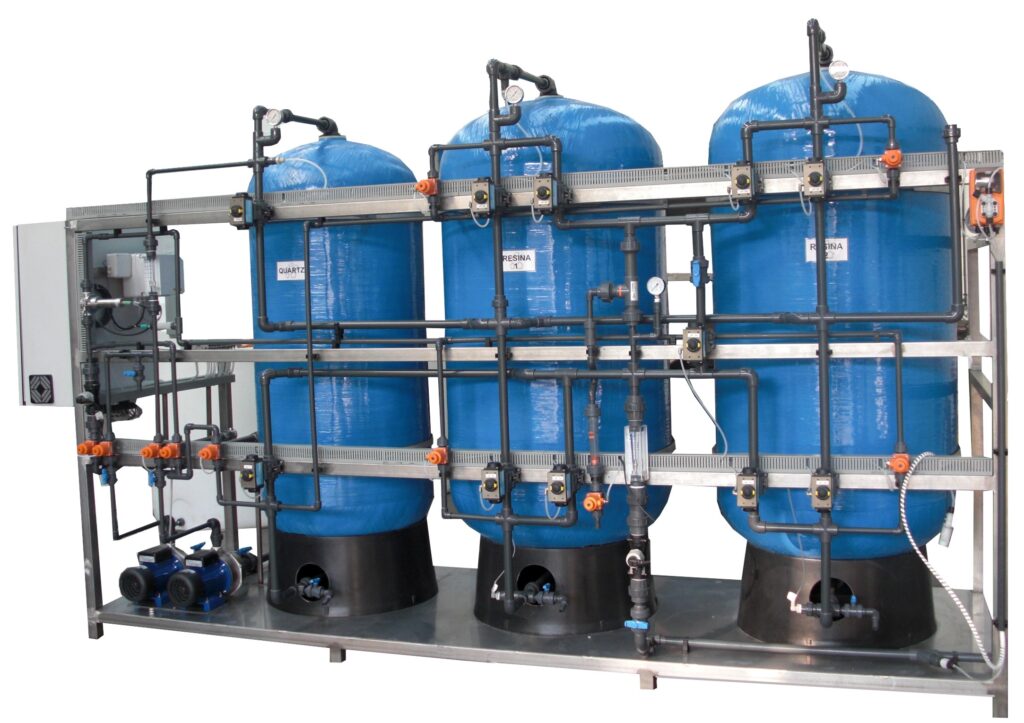
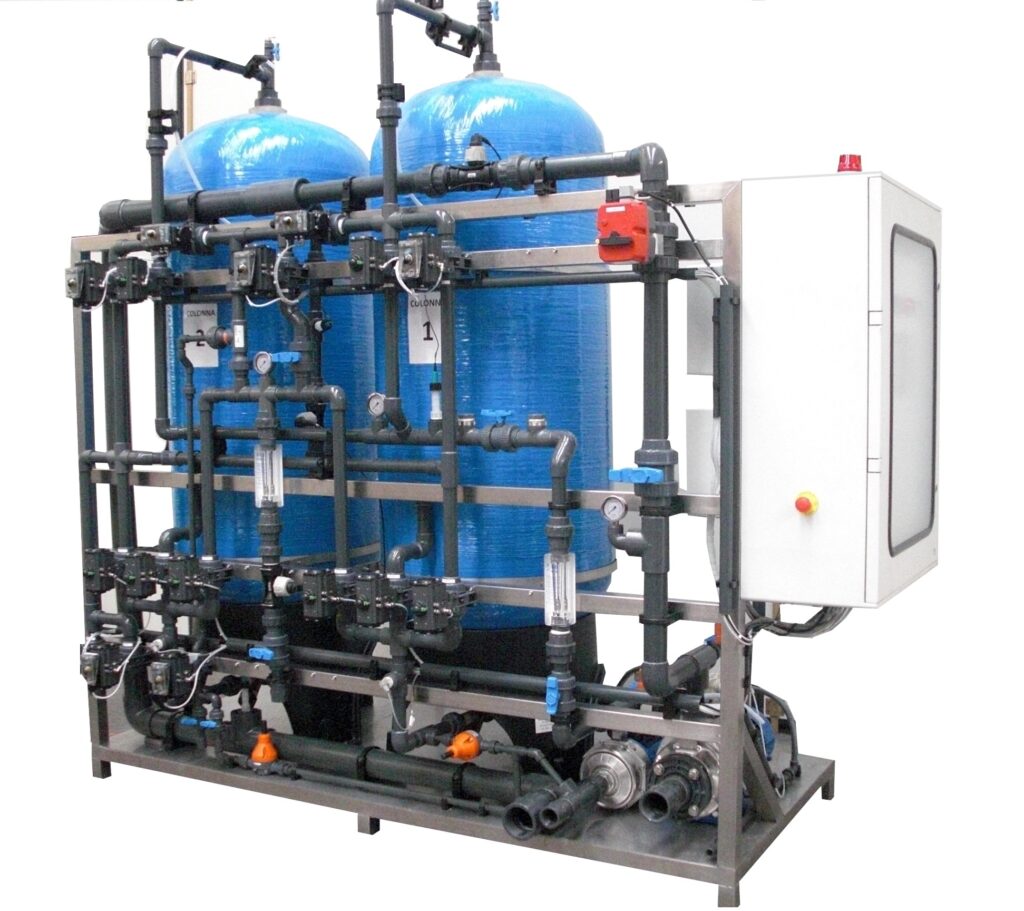
A food-grade resin plant is a skid with one or more columns filled with functional resins. The product flows through the resin bed and target ions or molecules are retained until the resin capacity is exhausted. Regeneration restores the resin and enables stable operating cycles over time.

Engineered columns

Columns sized for flow rate and process target, with series or parallel layouts for production continuity.

Automation and control

PLC sequences, safety interlocks, recipes and logging for key parameters such as pH, conductivity, flow, temperature and pressure.

Food contact approach

Hygienic design choices and food-contact suitable components aligned with applicable customer requirements.

Typical applications

Demineralization and ash reduction

Targeted reduction of dissolved salts to improve stability and sensory profile, with accurate control of final mineral content.

Removal of residues and selected contaminants

Depending on matrix and specifications, processes can be tuned to remove selected residues or micro-contaminants using appropriately selective resins and validated pilot protocols.

Wine stabilization and selective corrections

Selective action on ions such as potassium, calcium or metals that can affect tartrate stability and clarity, with consistent outcomes.

Recovery and extraction of valuable compounds

Capture and elution of high-value components such as polyphenols, anthocyanins, tannins, natural colorants or aroma fractions to valorize side streams.

Decolorization, debittering and off-note removal

Adsorbent resins can reduce color and bitter or oxidized compounds in juices, extracts and beverage bases, tuned through testing and analytical controls.

Resin families we integrate

Strong and weak cation and anion resins, polymeric adsorbents, chelating resins for metals and specialty media for specific retention and polishing targets.

Our services

Our expertise covers the complete lifecycle of food-grade resin plants, from engineering and pilot testing to full-scale industrial implementation.

We provide specialized technical assistance for resin plants, remote monitoring solutions, and process optimization services tailored to the specific needs of the food sector.

Why Pentafood

Selection based on real trials

Resin choice and process settings validated on the real product before scaling.

Robust automation

Recipes, safety logic and logging for repeatable results and traceability.

Start-up and optimization

Support through commissioning and tuning to stabilize performance over time.

Value and waste reduction

Targeted treatment can improve quality, recovery and margins while reducing waste streams.

FAQ

Ion exchange resins swap ions (e.g., K+, Ca2+, anions) via functional groups on the resin; adsorbent resins retain organic molecules through affinity and porosity. The best option depends on the target (salts/ions vs organics, color, bitterness, aromas, residues).

Yes. We configure the skid with food-contact components and resins supplied with food-grade compliance documentation. During engineering we collect the customer’s requirements (audits, traceability, internal standards) to align materials and paperwork.

It can change specific parameters (e.g., salts, color, bitterness) if designed to do so. To avoid side effects we work step-by-step: sample trials, resin selection, stop-point definition and analytical monitoring during operation.

Regeneration restores resin capacity using dedicated solutions depending on resin type and target. Spent regenerants are collected and managed according to the customer plan (recovery/neutralization/routing), defined during process engineering.

Yes. Our in-house lab performs bench and pilot trials on the real product to estimate performance, yield and consumptions, and to define the most suitable industrial configuration.

The technology is scalable, from pilot to industrial skids with multiple columns in series or parallel. Sizing depends on flow rate, contact time, removal/recovery target and desired regeneration frequency.

Tell us your target and matrix

Share your product type, flow rate and the measurable objective. We will propose the right resin family and a practical path from lab to industrial sizing.